

The cooking of Western Sicily in downtown Seattle
Authentic Sicilian cuisine lead by one of Italy’s most decorated chefs
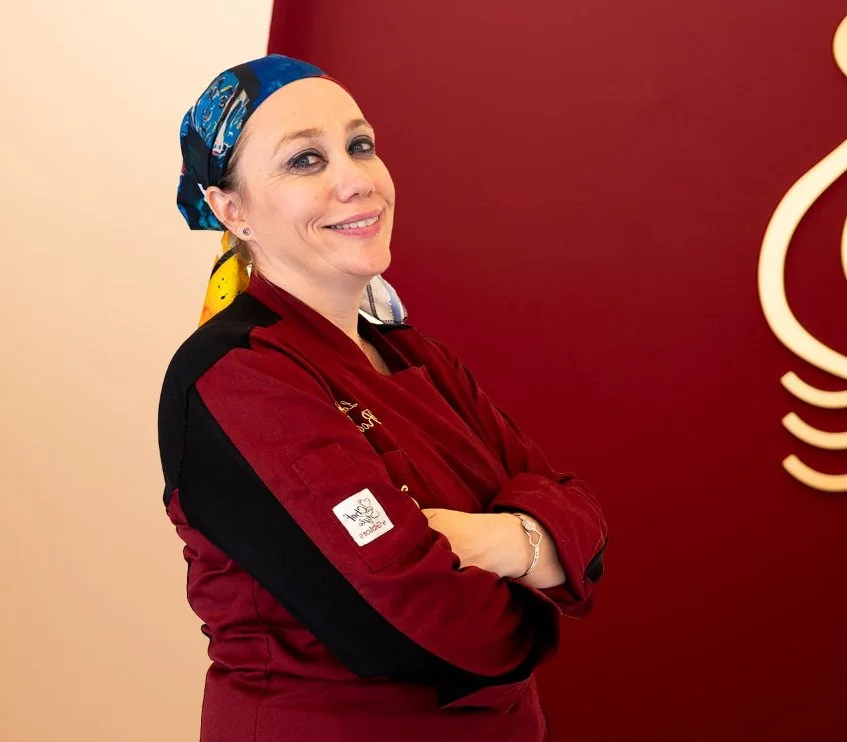
Rosaria ‘Rosi’ Napoli
Rosi Napoli is one of Italy's most decorated chefs. An award-winning kitchen, appearances on national television in Italy, features in Forbes and Vanity Fair amongst other major publications, and the title of Knight of Italian Cuisine in the World – a national excellence award for Italian cuisine - have made her one of the most visible ambassadors of Italian cooking today.
Born and trained in Trapani, on the western tip of Sicily, she cooks the food of that coast: seafood-led, seasonal, and rooted in tradition. The dishes are Trapanese before they are hers, and unmistakably hers by the time they reach the table.
She came to the stove by way of the laboratory. With masters’ degrees in natural sciences with a focus on marine biology from the University of Pisa, she brings scientific rigor to a kitchen built on raw ingredients, strict zero-kilometer sourcing, and a menu rewritten each morning around what the boats and the market yield. Since 2008 she has been founder and executive chef of the nationally recognized and award-winning restaurant, Caupona Taverna di Sicilia in Trapani.
When she first visited Seattle in early 2026 to explore opening a restaurant with her family, she recognized a place that runs on the same instincts as her own: a serious seafood culture, diners who care where their food comes from, and a volcano on the horizon. Sicily has Etna. Seattle has Rainier. No restaurant in the city is cooking the food of western Sicily, and the decision to bring it here was a natural one.
Her mission is simple: to pass on the gastronomic heritage of western Sicily and the principle of buon mangiare, eating well. At Zagara, she brings that to Seattle.
EXECUTIVE CHEF
Sicily to Seattle
The cooking of Trapani, executed by a Sicilian master, on the Pacific Northwest's catch and harvest.
Trapani sits on the western tip of Sicily, in a culture organized around the daily catch, the salt pans, the olive groves and a kitchen that changes with what comes in. Seattle sits on Puget Sound in a culture organized around the same instincts: a serious seafood identity, a deep farmers market network, and diners who pay for provenance and expect the kitchen to change with it. Chef Napoli has cooked this way for eighteen years. Only the catch changes.
Sicilian food is not Italian food with regional variations. It is what happens when Greek, Arab, Norman and Spanish kitchens are laid one on top of another over a thousand years, and the west of the island holds the Arab layer most clearly. Where the mainland leans on parmesan and cream, this is a kitchen built on toasted bread, warm spice, citrus and the sea.
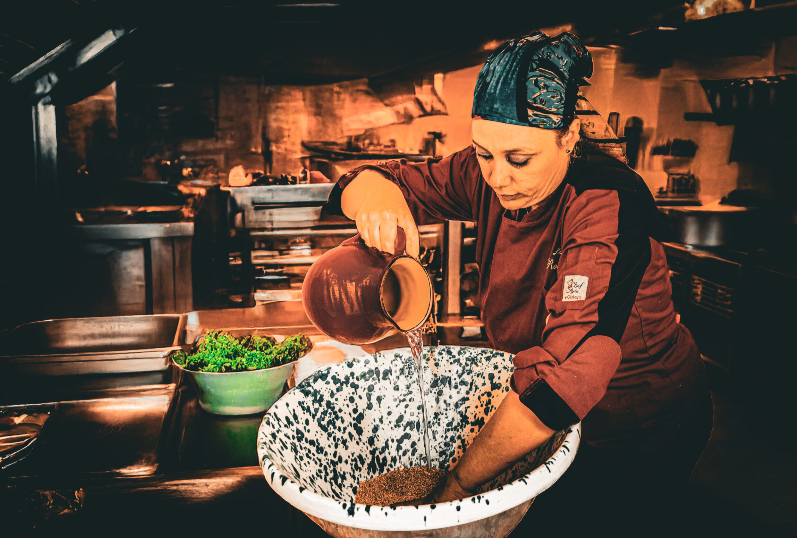
1 | Artistry inside the tradition
The dishes are Trapanese before they are hers, and unmistakably hers by the time they reach the pass. Nothing is modernized for its own sake; the invention is in composition and execution, not in departure.
2 | Where technique is the whole margin
In a dish as spare as busiate al pesto trapanese, the quality of three or four ingredients and the technique applied to them are the whole difference between ordinary and exceptional. There is nothing to hide behind.
3 | Science before the stove
A master's in natural sciences with a marine focus, taken with honors before she cooked professionally. It shows in how she handles raw material: what a fish will take, and what it will not.
Invention inside tradition
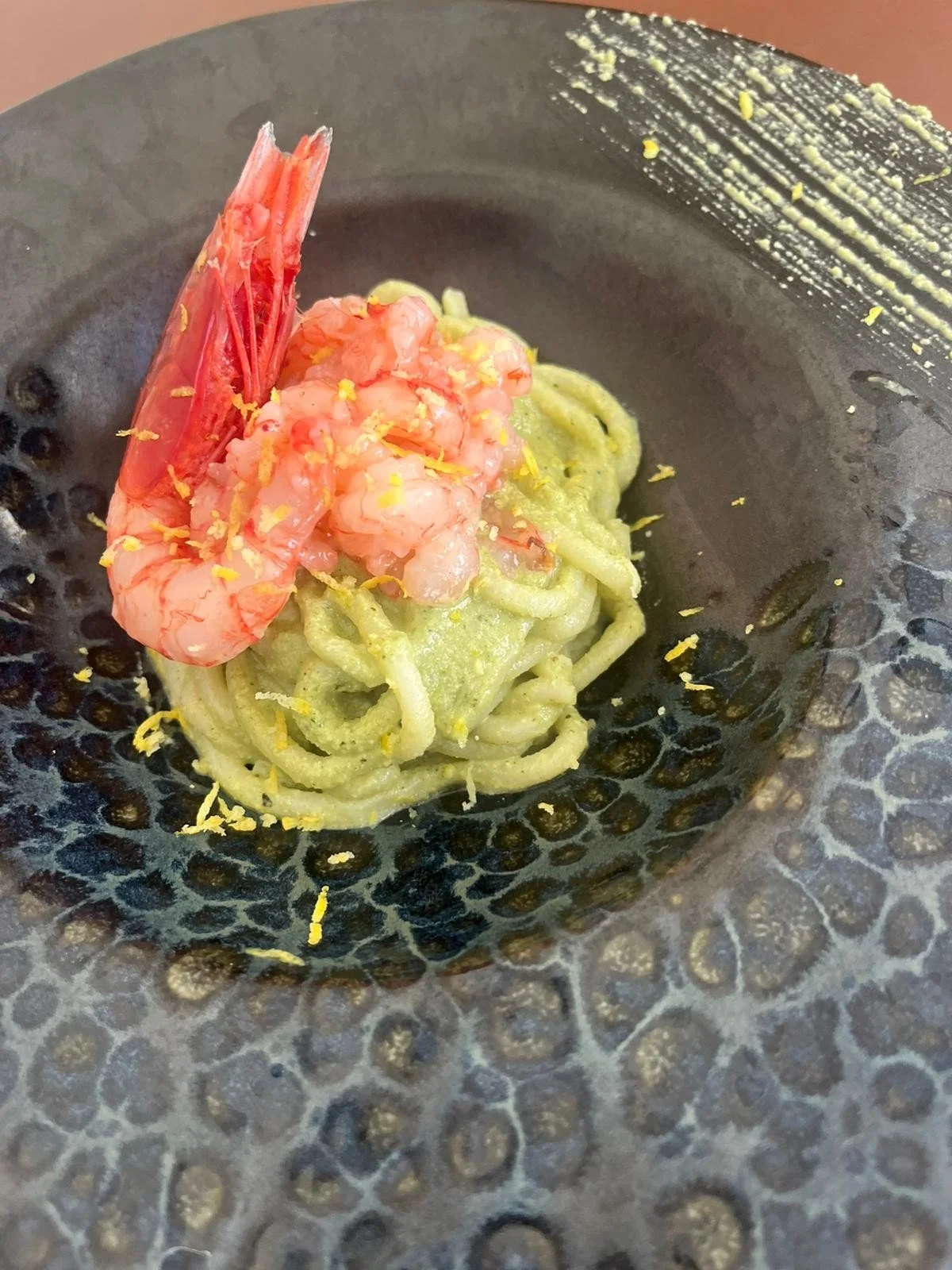
Chef Rosi holds only a few fixed dishes and rebuilds the rest of the menu each morning around what the boats and the market yield. She composes and executes new plates on the day rather than working a set repertoire. The market decides; she answers it.
The oil comes direct from a certified head taster in Trapani. The wine wall runs ten feet, from the Trapani houses to the volcanic reds of Etna. The catch is local. The cooking is not.
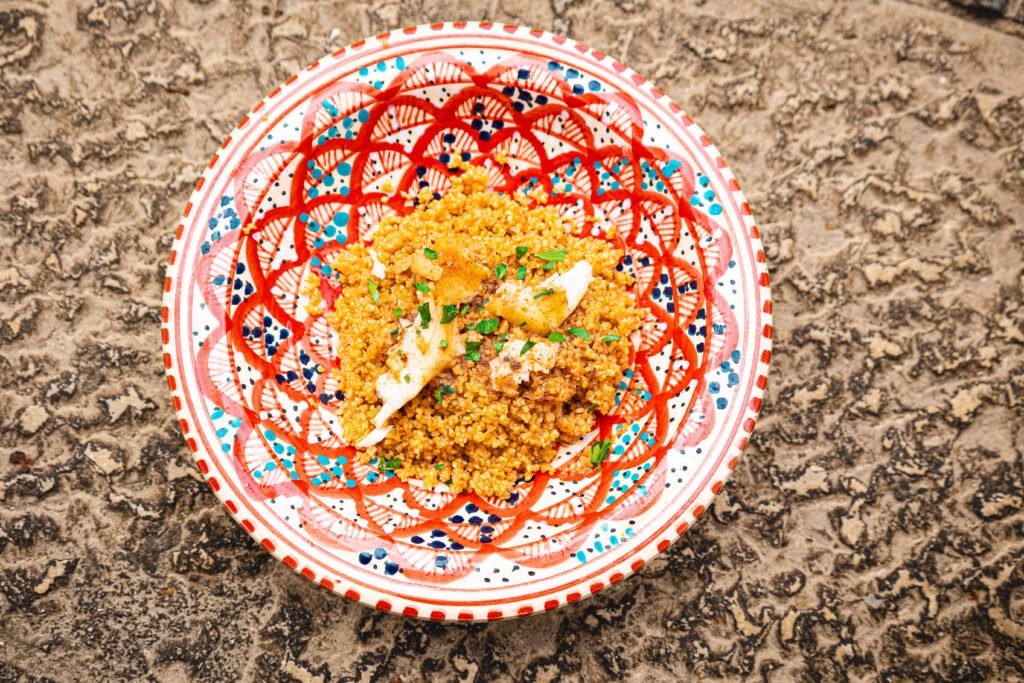
1 | Cùscusu Trapanese
The signature dish of the province. Coarse semolina rolled by hand in a mafaradda, steamed over a brodo of Pacific rockfish and lingcod, finished with Dungeness crab, spot prawn and Manila clams.
2 | Busiate al Pesto Trapanese
Pasta twisted around a reed, one piece at a time. Almond and tomato pesto pounded to order. No pine nuts, no cheese in the mortar.
3 | Mollica and Cinnamon
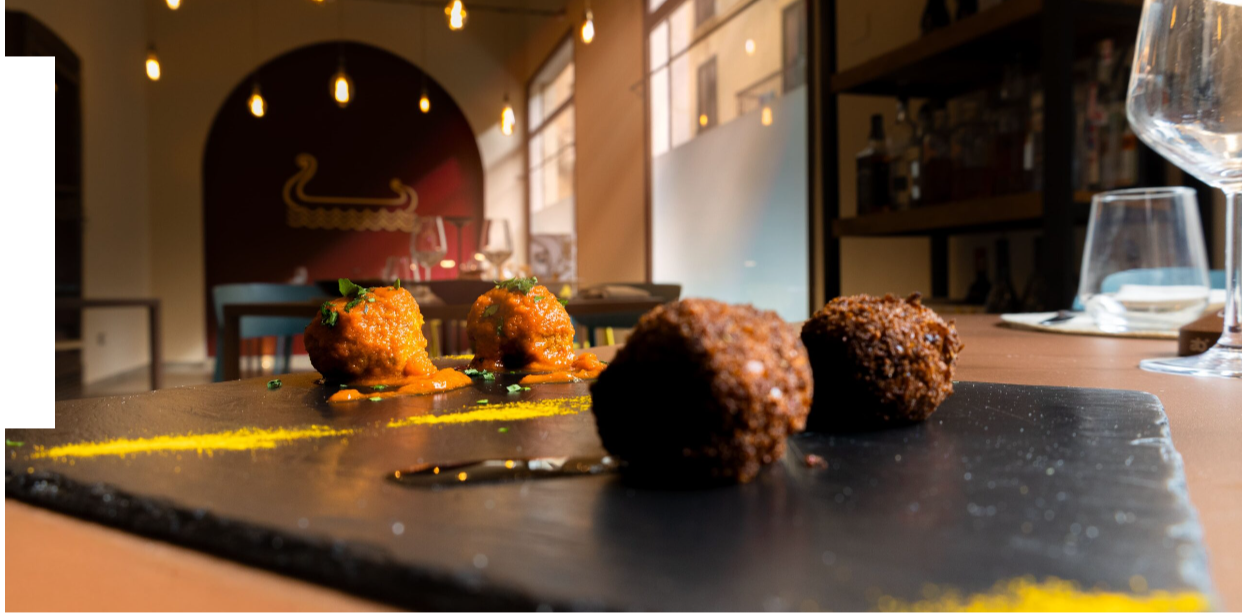
Toasted breadcrumb runs across the whole card, the cheese of the poor from a time when cheese was a luxury. Cinnamon marks the Arab hand in the couscous and the sardine polpette.
The meaning
zagara [‘dza - ga - ra]
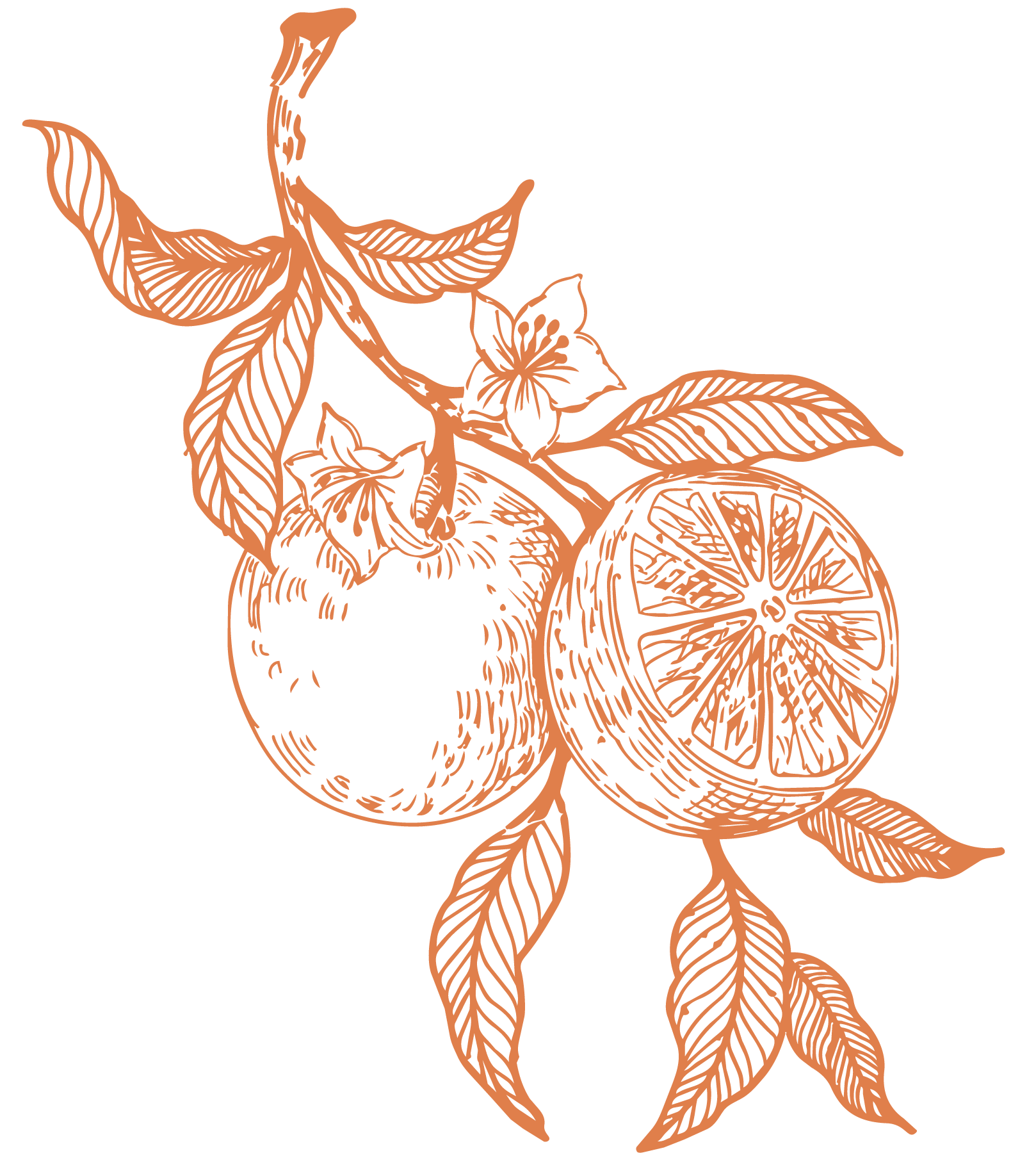
Sicilian, noun — the white blossom of the bitter orange and lemon tree.
The rest of Italy generally says fiore d’arancio, orange flower, a plain description. Sicily and the southern coast kept zagara, and the word carries far more than the thing it names.
It arrived with the Arabs. The root is zahara, to shine or to gleam with whiteness, and zahr, flower. It entered the Sicilian dialect during Arab rule between the ninth and eleventh centuries — the same period that brought citrus to the Mediterranean and carried couscous across the strait to Trapani. The name and the signature dish come from the same moment in the island’s history.
It is also a sensory promise this kitchen can keep. A guest who learns what the word means knows immediately what to expect: citrus and acidity, sea salt, olive oil, wild herbs, and the agrodolce balance of sweet against sour that runs through the whole card.
A name about beginnings. In Sicily the zagara is the poetic shorthand for marriage and new beginnings: is the flower of weddings and of celebration, a symbol of good fortune and of new starts — and it is by definition the thing that comes before the fruit. The blossom is the promise. The fruit is what follows.